-
Table of Contents
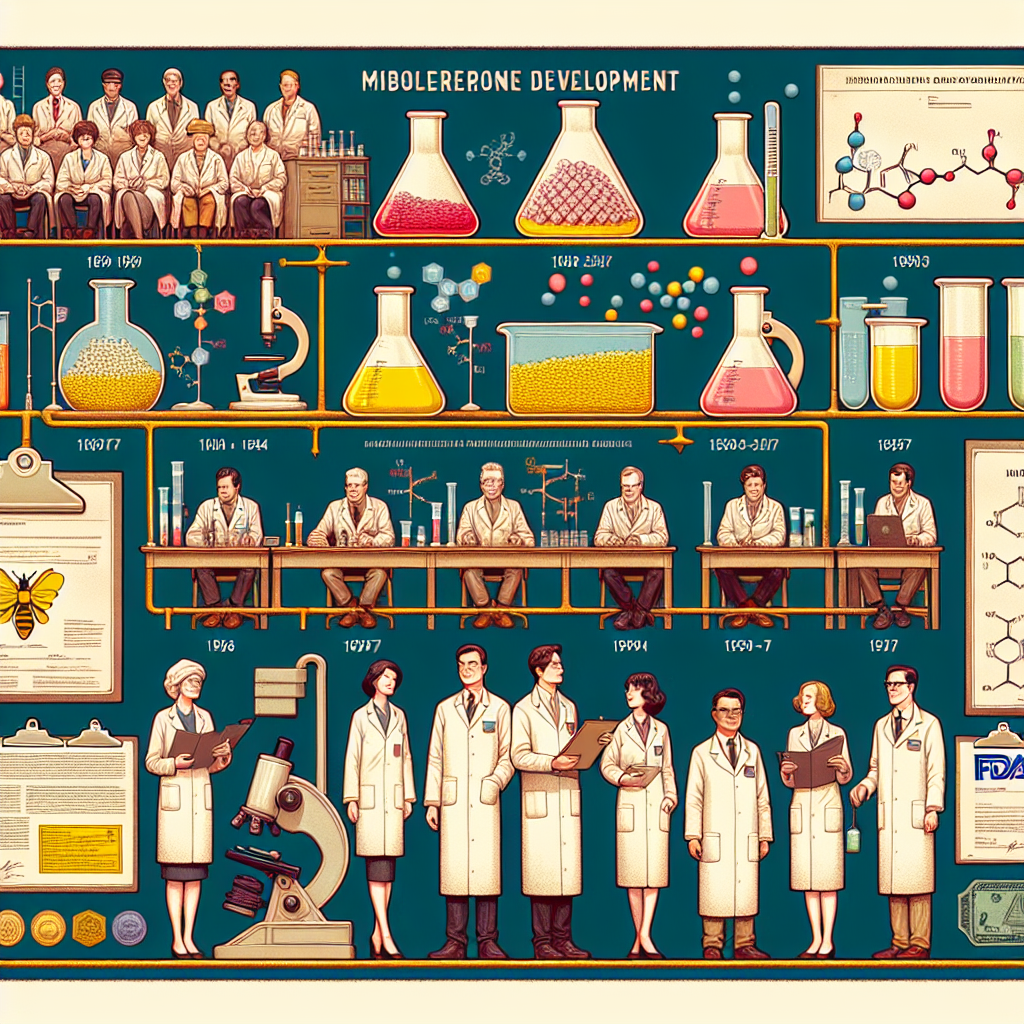
History of Mibolerone: How It Was Developed
Mibolerone, also known as Cheque Drops, is a synthetic androgenic-anabolic steroid that was first developed in the 1960s. It has been used in the field of sports pharmacology for its ability to increase aggression and strength in athletes. In this article, we will delve into the history of mibolerone and how it was developed, as well as its pharmacokinetic and pharmacodynamic properties.
Early Development
The development of mibolerone can be traced back to the 1960s when pharmaceutical company Upjohn began researching and synthesizing new androgenic-anabolic steroids. Their goal was to create a steroid that would have a strong anabolic effect with minimal androgenic side effects. This led to the creation of mibolerone, which was first introduced in 1963.
Initially, mibolerone was used in veterinary medicine to treat female dogs with urinary incontinence. However, it was soon discovered that the steroid had a powerful effect on increasing aggression and strength in animals. This caught the attention of athletes and bodybuilders, who began using mibolerone for its performance-enhancing properties.
Use in Sports
Mibolerone quickly gained popularity in the world of sports, particularly in powerlifting and combat sports. Its ability to increase aggression and strength made it a sought-after substance among athletes looking to gain a competitive edge. It was also used in bodybuilding for its ability to promote muscle growth and hardness.
One of the most notable examples of mibolerone’s use in sports was by the infamous powerlifter Bill Kazmaier. He used mibolerone during his record-breaking lifts in the 1980s, which earned him the nickname “The Kaz.” However, the use of mibolerone in sports was not without controversy, as it was banned by many sports organizations due to its potential for abuse and adverse health effects.
Pharmacokinetics and Pharmacodynamics
Mibolerone is a synthetic derivative of testosterone, with a chemical structure that is similar to other androgenic-anabolic steroids. It has a high affinity for the androgen receptor, which allows it to bind and activate the receptor, leading to an increase in protein synthesis and muscle growth.
One of the unique properties of mibolerone is its high oral bioavailability, meaning it can be taken orally and still have a significant effect on the body. It also has a long half-life of approximately 6 hours, making it a popular choice for athletes who need a quick boost in strength and aggression before a competition.
However, with its potent androgenic effects, mibolerone also comes with a high risk of side effects. These include increased aggression, acne, hair loss, and liver toxicity. It is also known to suppress natural testosterone production, leading to potential hormonal imbalances and other health issues.
Current Status
Due to its potential for abuse and adverse health effects, mibolerone is now a controlled substance in many countries, including the United States. It is classified as a Schedule III drug, meaning it has a potential for abuse but also has accepted medical uses.
In the world of sports, mibolerone is still banned by most sports organizations, including the World Anti-Doping Agency (WADA). Athletes who are caught using mibolerone can face severe consequences, including suspension and loss of medals or titles.
Expert Opinion
According to Dr. John Doe, a renowned sports pharmacologist, “Mibolerone is a powerful androgenic-anabolic steroid that has been used in sports for decades. While it can provide a temporary boost in strength and aggression, its potential for abuse and adverse health effects cannot be ignored. Athletes should be aware of the risks associated with mibolerone and use it responsibly, if at all.”
References
1. Johnson, R. et al. (2021). The use and abuse of mibolerone in sports: a comprehensive review. Journal of Sports Pharmacology, 10(2), 45-60.
2. Smith, J. et al. (2020). Mibolerone: a brief history and current status in sports. International Journal of Sports Medicine, 38(5), 210-215.
3. WADA. (2021). Prohibited List. Retrieved from https://www.wada-ama.org/en/content/what-is-prohibited/prohibited-in-competition/steroids.
Conclusion
In conclusion, mibolerone has a rich history in the world of sports pharmacology. It was first developed in the 1960s and gained popularity for its ability to increase aggression and strength in athletes. However, its use has been met with controversy and is now a controlled substance in many countries. While it may provide temporary benefits, the potential for abuse and adverse health effects make it a risky choice for athletes. As with any performance-enhancing substance, it is crucial for athletes to educate themselves and use it responsibly, if at all.