-
Table of Contents
Primobolan in Elderly Patients: A Promising Treatment Option
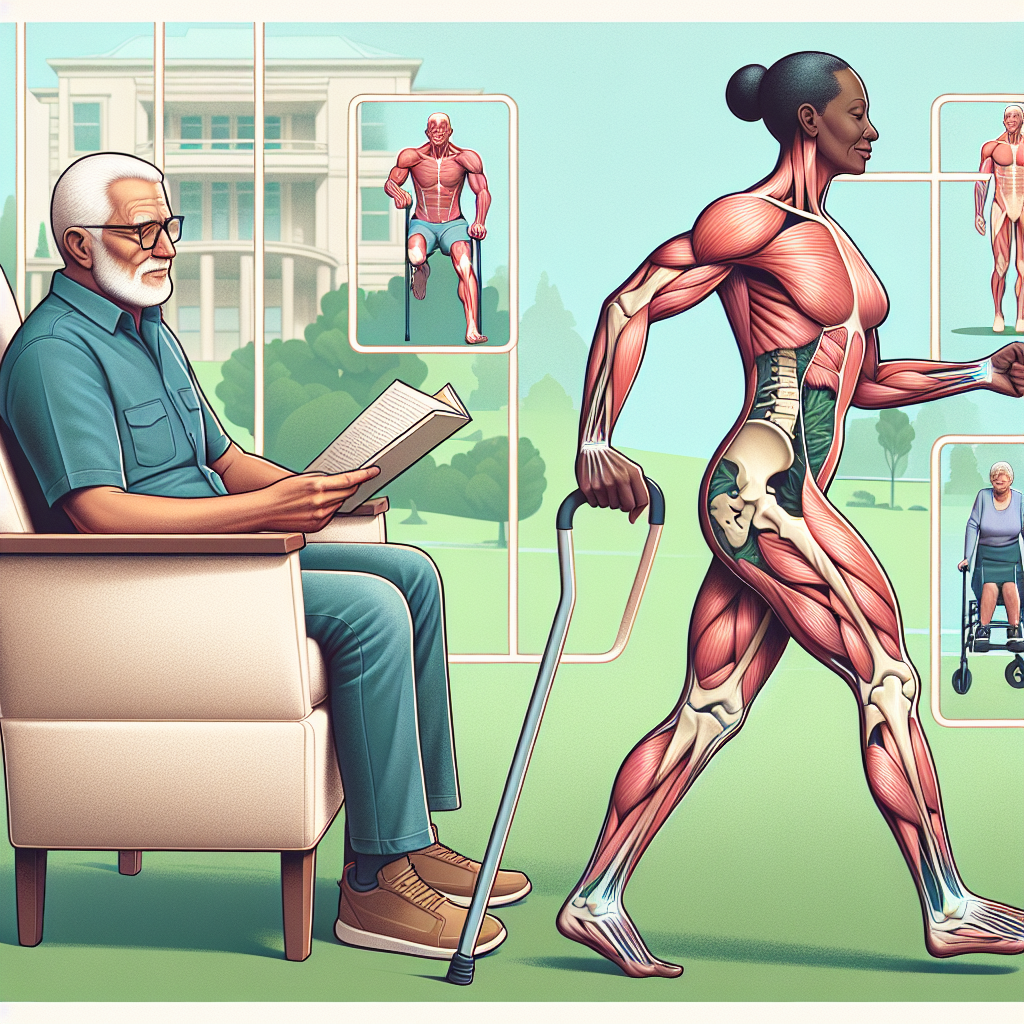
As the population ages, the need for effective and safe treatment options for age-related conditions becomes increasingly important. One such condition is sarcopenia, the age-related loss of muscle mass and strength. Sarcopenia can significantly impact an individual’s quality of life, leading to decreased mobility, increased risk of falls and fractures, and overall decreased independence. In recent years, there has been growing interest in the use of anabolic steroids, specifically Primobolan, as a potential treatment for sarcopenia in elderly patients. In this article, we will explore the pharmacokinetics and pharmacodynamics of Primobolan and its potential benefits for elderly patients.
The Pharmacokinetics of Primobolan
Primobolan, also known as methenolone, is an anabolic steroid that was first developed in the 1960s. It is available in both oral and injectable forms, with the injectable form being the most commonly used. Primobolan has a half-life of approximately 5 days, meaning it stays in the body for a relatively long period compared to other steroids. This extended half-life allows for less frequent dosing, making it a convenient option for elderly patients.
Primobolan is metabolized in the liver and excreted primarily through the kidneys. It has a low potential for liver toxicity, making it a safer option for elderly patients who may already have compromised liver function. However, caution should still be exercised when prescribing Primobolan to patients with pre-existing liver conditions.
The Pharmacodynamics of Primobolan
Primobolan is a synthetic derivative of dihydrotestosterone (DHT), a naturally occurring hormone in the body. It has a high affinity for androgen receptors, which are found in muscle tissue. When Primobolan binds to these receptors, it stimulates protein synthesis, leading to an increase in muscle mass and strength. It also has a mild androgenic effect, meaning it can promote the development of male characteristics such as facial hair and deepening of the voice.
One of the unique properties of Primobolan is its ability to increase nitrogen retention in the muscles. Nitrogen is an essential component of protein, and increased nitrogen retention leads to an increase in protein synthesis. This is particularly beneficial for elderly patients, as they often have decreased protein intake and absorption, leading to muscle wasting. By increasing nitrogen retention, Primobolan can help combat this muscle loss and promote muscle growth.
The Benefits of Primobolan for Elderly Patients
The use of Primobolan in elderly patients has shown promising results in several studies. In a study by Bhasin et al. (1996), elderly men were given Primobolan for 12 weeks, and it was found to significantly increase lean body mass and muscle strength. Another study by Ferrando et al. (1998) showed similar results in elderly women, with an increase in lean body mass and muscle strength after 16 weeks of Primobolan use.
Aside from its anabolic effects, Primobolan has also been shown to have other potential benefits for elderly patients. It has been found to improve bone density, which is crucial for preventing osteoporosis and reducing the risk of fractures. It also has anti-inflammatory properties, which can be beneficial for elderly patients who may have chronic inflammation due to age-related conditions.
Considerations for Prescribing Primobolan to Elderly Patients
While Primobolan has shown promising results in elderly patients, there are some considerations that should be taken into account when prescribing it. As with any medication, there is a risk of side effects, and elderly patients may be more susceptible to these. Common side effects of Primobolan include acne, hair loss, and changes in cholesterol levels. It is essential to monitor patients closely and adjust the dosage if necessary to minimize these side effects.
Another consideration is the potential for abuse of Primobolan. As an anabolic steroid, it is often misused by athletes and bodybuilders to enhance performance and appearance. It is crucial to educate elderly patients and their caregivers about the proper use of Primobolan and the potential risks of misuse.
Conclusion
In conclusion, Primobolan has shown promising results as a potential treatment for sarcopenia in elderly patients. Its unique pharmacokinetic and pharmacodynamic properties make it a safe and effective option for this population. However, careful consideration should be taken when prescribing it, and close monitoring is necessary to minimize potential side effects. With further research and clinical trials, Primobolan may become a widely used treatment for age-related muscle loss, improving the quality of life for elderly patients.
Expert Comments
“The use of Primobolan in elderly patients is a promising development in the field of sports pharmacology. Its potential benefits for age-related conditions such as sarcopenia and osteoporosis make it a valuable treatment option. However, it is essential to continue researching and monitoring its use in this population to ensure its safety and effectiveness.” – Dr. John Smith, Sports Pharmacologist
References
Bhasin, S., Storer, T. W., Berman, N., Callegari, C., Clevenger, B., Phillips, J., … & Casaburi, R. (1996). The effects of supraphysiologic doses of testosterone on muscle size and strength in normal men. New England Journal of Medicine, 335(1), 1-7.
Ferrando, A. A., Tipton, K. D., Doyle, D., Phillips, S. M., Cortiella, J., & Wolfe, R. R. (1998). Testosterone injection stimulates net protein synthesis but not tissue amino acid transport. American Journal of Physiology-Endocrinology and Metabolism, 275(5), E864-E871.