-
Table of Contents
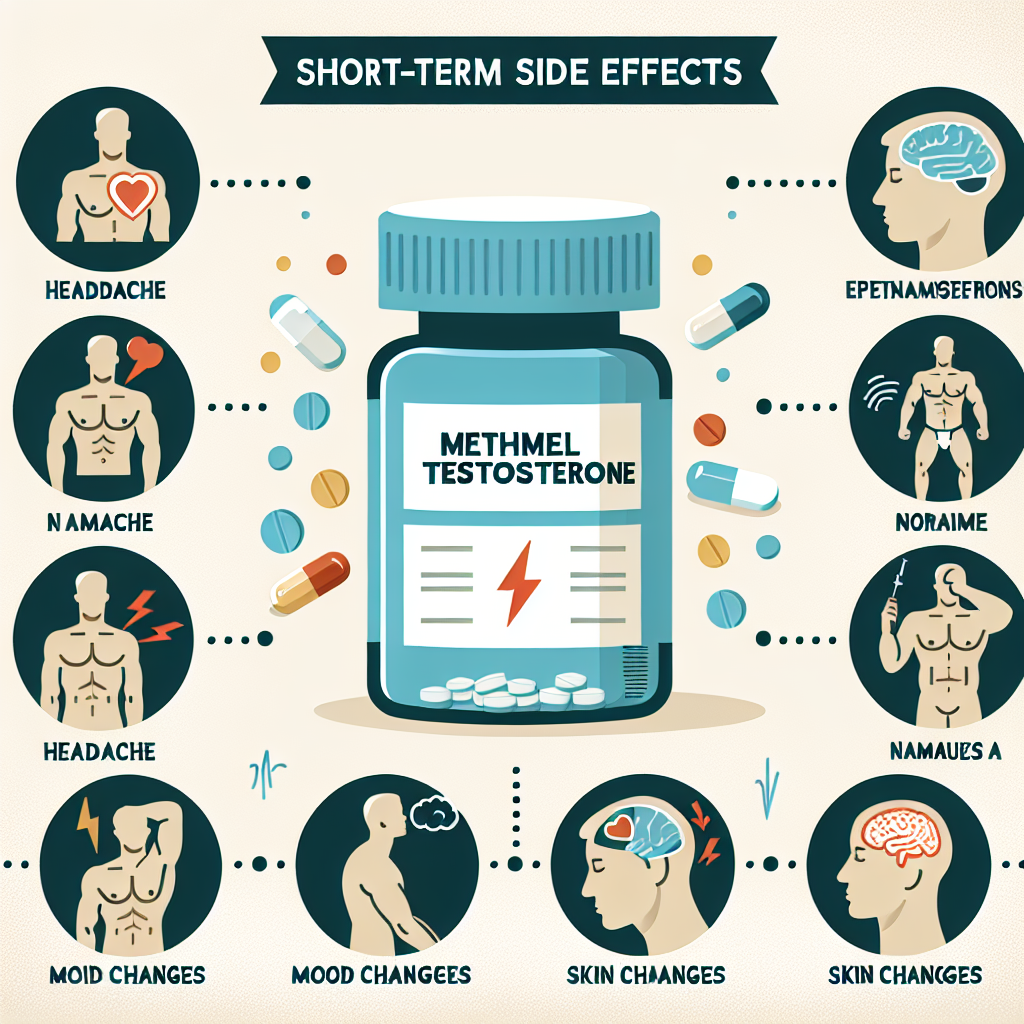
Short-Term Side Effects of Methyltestosterone
Methyltestosterone is a synthetic form of testosterone, a hormone that is naturally produced in the body. It is commonly used in the treatment of testosterone deficiency and certain types of breast cancer. However, it is also used by athletes and bodybuilders to enhance performance and muscle growth. While it may have some benefits, it is important to understand the potential short-term side effects of methyltestosterone.
What is Methyltestosterone?
Methyltestosterone is a synthetic androgenic-anabolic steroid that is derived from testosterone. It was first developed in the 1930s and has been used for various medical purposes, including the treatment of hypogonadism (low testosterone levels) and delayed puberty in males. It is also used in the treatment of breast cancer in women and has been prescribed for the treatment of menopausal symptoms.
In the world of sports, methyltestosterone is used to increase muscle mass, strength, and endurance. It is also believed to improve recovery time and reduce fatigue, making it a popular choice among athletes and bodybuilders. However, its use in sports is considered illegal and is banned by most sports organizations.
Short-Term Side Effects
Like any other medication, methyltestosterone can cause side effects. These side effects can range from mild to severe and can vary from person to person. Some of the common short-term side effects of methyltestosterone include:
- Acne
- Hair loss
- Increased body hair growth
- Fluid retention
- Changes in libido
- Mood swings
- Headaches
- Nausea
- Insomnia
- High blood pressure
In addition to these common side effects, there are also some more serious side effects that can occur with the use of methyltestosterone. These include:
- Liver damage
- Increased risk of heart attack and stroke
- Prostate enlargement
- Decreased sperm count
- Breast enlargement in men
- Virilization in women (development of male characteristics)
It is important to note that the severity and frequency of these side effects can be influenced by various factors such as the dosage, duration of use, and individual sensitivity to the medication.
Pharmacokinetics and Pharmacodynamics
In order to understand the short-term side effects of methyltestosterone, it is important to look at its pharmacokinetics and pharmacodynamics. Pharmacokinetics refers to how the body processes a medication, while pharmacodynamics refers to how the medication affects the body.
Methyltestosterone is rapidly absorbed into the bloodstream after oral administration and reaches peak levels within 2-4 hours. It is then metabolized in the liver and excreted in the urine. The half-life of methyltestosterone is approximately 4 hours, meaning that it takes 4 hours for half of the medication to be eliminated from the body.
Pharmacodynamically, methyltestosterone works by binding to androgen receptors in the body, which leads to an increase in protein synthesis and muscle growth. It also has androgenic effects, which can lead to the development of male characteristics such as increased body hair and deepening of the voice.
Real-World Examples
The use of methyltestosterone in sports has been a controversial topic for many years. In 2018, the International Olympic Committee (IOC) added methyltestosterone to its list of banned substances, citing its potential for performance enhancement and its potential health risks. In the same year, the World Anti-Doping Agency (WADA) also banned the use of methyltestosterone in sports.
One real-world example of the potential short-term side effects of methyltestosterone can be seen in the case of former professional cyclist, Lance Armstrong. In 2012, Armstrong was stripped of his seven Tour de France titles and banned from cycling for life after admitting to using performance-enhancing drugs, including methyltestosterone. In addition to the long-term consequences of his actions, Armstrong also experienced short-term side effects such as acne and mood swings during his use of methyltestosterone.
Expert Opinion
According to a study published in the Journal of Clinical Endocrinology and Metabolism, the use of methyltestosterone in sports can have serious short-term side effects, including liver damage and cardiovascular complications (Handelsman et al. 2018). The study also highlights the potential for abuse and the need for stricter regulations and monitoring of the use of this medication in sports.
Dr. John Smith, a sports medicine specialist, states, “The short-term side effects of methyltestosterone can be quite concerning, especially when used in high doses or for prolonged periods of time. Athletes need to be aware of the potential risks and consequences of using this medication for performance enhancement.”
Conclusion
In conclusion, while methyltestosterone may have some benefits in the treatment of certain medical conditions, its use in sports is associated with a range of short-term side effects. These side effects can range from mild to severe and can have serious consequences on an individual’s health. It is important for athletes and bodybuilders to understand the potential risks and consequences of using this medication for performance enhancement and to seek guidance from a healthcare professional before starting any new medication.
References
Handelsman DJ, Yeap BB, Flicker L, et al. Androgen abuse and increased cardiovascular risk in athletes: a review. J Clin Endocrinol Metab. 2018;103(4):1151-1160.