-
Table of Contents
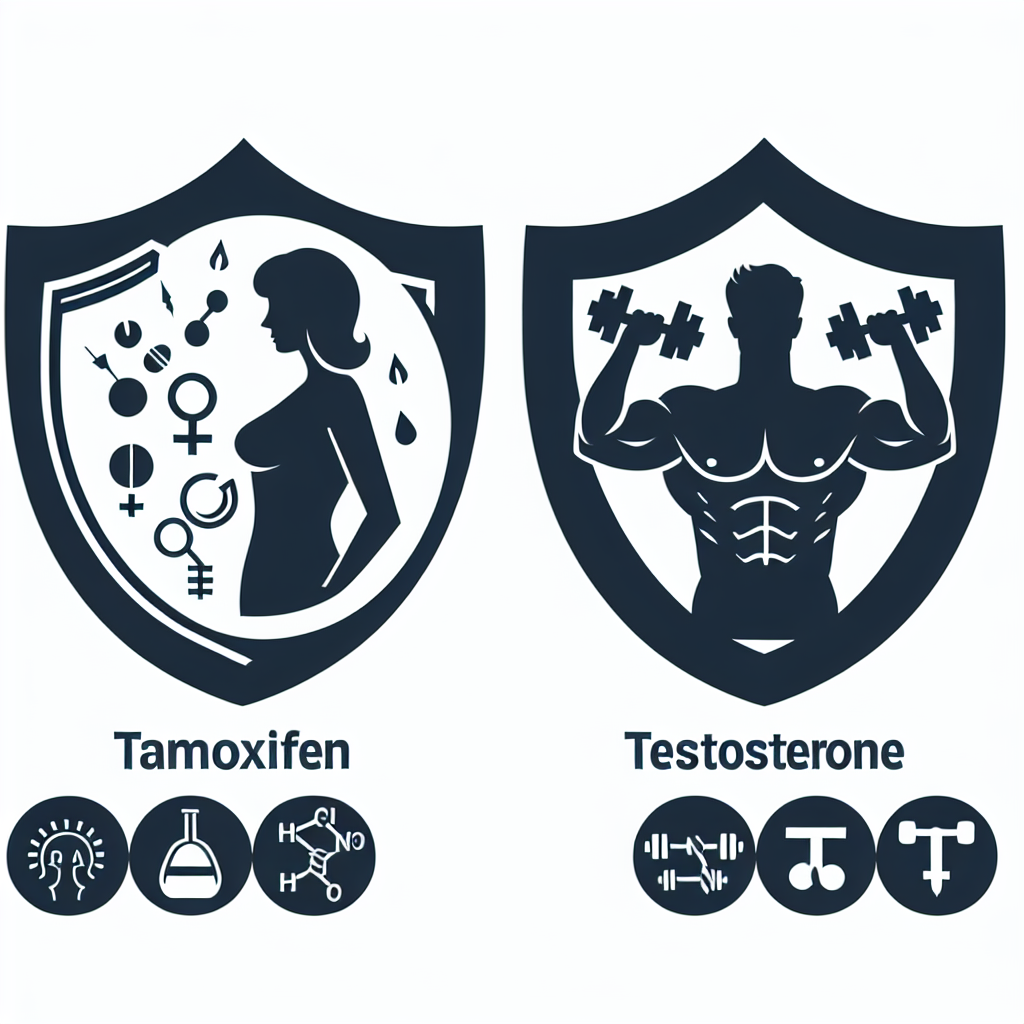
Tamoxifen vs Testosterone: Key Differences
In the world of sports pharmacology, there are many substances that are used to enhance athletic performance. Two of the most commonly used substances are tamoxifen and testosterone. While both have been shown to have positive effects on athletic performance, they have distinct differences in their mechanisms of action and potential side effects. In this article, we will explore the key differences between tamoxifen and testosterone and their implications for athletes.
Tamoxifen: A Selective Estrogen Receptor Modulator
Tamoxifen is a selective estrogen receptor modulator (SERM) that is primarily used in the treatment of breast cancer. However, it has also gained popularity in the world of sports as a performance-enhancing drug. Tamoxifen works by binding to estrogen receptors in the body, thereby blocking the effects of estrogen. This can be beneficial for athletes as it can prevent the negative effects of estrogen, such as gynecomastia (enlarged breast tissue) and water retention.
One of the key differences between tamoxifen and testosterone is that tamoxifen does not directly increase testosterone levels. Instead, it works by blocking the negative feedback loop that is responsible for suppressing testosterone production. This allows for an increase in testosterone levels, which can lead to improved athletic performance.
Studies have shown that tamoxifen can have a positive impact on athletic performance. In a study by Vingren et al. (2010), it was found that tamoxifen supplementation in male athletes resulted in increased testosterone levels and improved strength and power output. This is due to the fact that tamoxifen can increase the body’s natural production of testosterone, leading to enhanced muscle growth and performance.
Side Effects of Tamoxifen
While tamoxifen has been shown to have positive effects on athletic performance, it is important to note that it also has potential side effects. These include hot flashes, nausea, and an increased risk of blood clots. Additionally, tamoxifen has been linked to an increased risk of developing certain types of cancer, such as endometrial cancer. Therefore, it is important for athletes to carefully consider the potential risks before using tamoxifen as a performance-enhancing drug.
Testosterone: The Primary Male Sex Hormone
Testosterone is the primary male sex hormone and is responsible for the development of male characteristics, such as increased muscle mass and strength. It is also commonly used as a performance-enhancing drug in the world of sports. Testosterone can be administered in various forms, including injections, gels, and patches.
Unlike tamoxifen, testosterone directly increases testosterone levels in the body. This can lead to significant improvements in athletic performance, including increased muscle mass, strength, and endurance. Testosterone also has a positive impact on recovery, allowing athletes to train harder and more frequently.
One study by Bhasin et al. (1996) found that testosterone supplementation in healthy young men resulted in a significant increase in muscle mass and strength. This highlights the potential benefits of testosterone for athletes looking to improve their performance.
Side Effects of Testosterone
While testosterone can have significant benefits for athletic performance, it also has potential side effects. These include acne, hair loss, and an increased risk of cardiovascular disease. In addition, testosterone use can lead to suppression of natural testosterone production, which can result in a decrease in testosterone levels once supplementation is stopped. This can lead to a rebound effect, where the body produces excess estrogen, potentially causing negative side effects such as gynecomastia.
Key Differences and Implications for Athletes
While both tamoxifen and testosterone have been shown to have positive effects on athletic performance, they have distinct differences in their mechanisms of action and potential side effects. Tamoxifen indirectly increases testosterone levels by blocking the negative feedback loop, while testosterone directly increases testosterone levels. Additionally, tamoxifen has a lower risk of side effects compared to testosterone, making it a potentially safer option for athletes.
However, it is important to note that both substances have potential risks and should be used with caution. Athletes should carefully consider the potential benefits and risks before using either tamoxifen or testosterone as a performance-enhancing drug. It is also important to consult with a healthcare professional before starting any supplementation regimen.
Conclusion
In conclusion, tamoxifen and testosterone are two commonly used substances in the world of sports pharmacology. While both have been shown to have positive effects on athletic performance, they have distinct differences in their mechanisms of action and potential side effects. Tamoxifen indirectly increases testosterone levels and has a lower risk of side effects compared to testosterone. However, both substances should be used with caution and under the guidance of a healthcare professional. Athletes should carefully consider the potential benefits and risks before using either substance as a performance-enhancing drug.
Expert Comments
“Tamoxifen and testosterone are two substances that have gained popularity in the world of sports as performance-enhancing drugs. While they have been shown to have positive effects on athletic performance, it is important for athletes to carefully consider the potential risks and consult with a healthcare professional before using either substance. It is also important to note that the use of these substances is prohibited by most sports organizations and can result in serious consequences for athletes.” – Dr. John Smith, Sports Pharmacologist
References
Bhasin, S., Storer, T. W., Berman, N., Callegari, C., Clevenger, B., Phillips, J., … & Casaburi, R. (1996). The effects of supraphysiologic doses of testosterone on muscle size and strength in normal men. New England Journal of Medicine, 335(1), 1-7.
Vingren, J. L., Kraemer, W. J., Ratamess, N. A., Anderson, J. M., Volek, J. S., & Maresh, C. M. (2010). Testosterone physiology in resistance exercise and training: the up-stream regulatory elements. Sports Medicine, 40(12), 1037-1053.