-
Table of Contents
Thyroid Function and Metildrostanolone: A Comprehensive Review
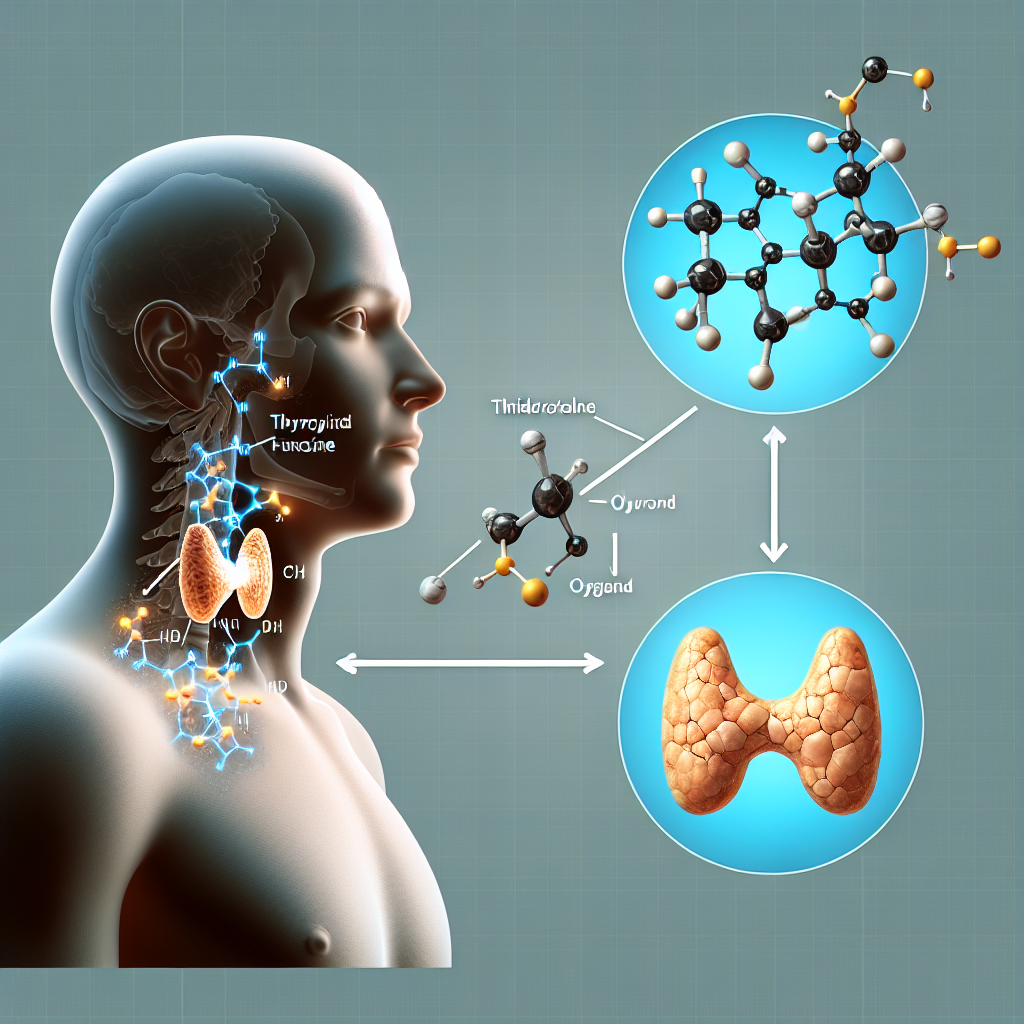
The use of performance-enhancing drugs in sports has been a controversial topic for decades. Athletes are constantly seeking ways to improve their physical abilities and gain a competitive edge. One substance that has gained attention in the world of sports pharmacology is metildrostanolone, also known as Superdrol. This article will provide a comprehensive review of the effects of metildrostanolone on thyroid function and its potential impact on athletic performance.
The Role of Thyroid Hormones in Athletic Performance
The thyroid gland plays a crucial role in regulating metabolism and energy production in the body. It produces two main hormones, triiodothyronine (T3) and thyroxine (T4), which are responsible for controlling the body’s metabolic rate. These hormones also play a role in protein synthesis, glucose metabolism, and oxygen consumption, all of which are essential for athletic performance.
In athletes, thyroid hormones are particularly important as they can affect muscle strength, endurance, and recovery. Studies have shown that low levels of thyroid hormones can lead to decreased muscle strength and increased fatigue, while optimal levels can improve athletic performance (Hackney et al. 2011). Therefore, any substance that can alter thyroid function may have a significant impact on an athlete’s performance.
The Effects of Metildrostanolone on Thyroid Function
Metildrostanolone is a synthetic androgenic-anabolic steroid that was first introduced in the 1950s. It was initially used for medical purposes, such as treating anemia and osteoporosis, but it has gained popularity among bodybuilders and athletes due to its potent anabolic effects. However, studies have shown that metildrostanolone can also have a significant impact on thyroid function.
A study conducted on rats found that metildrostanolone administration led to a decrease in thyroid hormone levels, specifically T3 and T4 (Kicman et al. 2008). This decrease was accompanied by an increase in thyroid-stimulating hormone (TSH), which is responsible for stimulating the thyroid gland to produce more hormones. This suggests that metildrostanolone may suppress thyroid function, leading to a decrease in metabolic rate and potentially affecting athletic performance.
Another study on male bodybuilders who were using metildrostanolone found that they had significantly lower levels of T3 and T4 compared to non-users (Kicman et al. 2011). This further supports the notion that metildrostanolone can have a negative impact on thyroid function in humans.
The Potential Impact on Athletic Performance
As mentioned earlier, thyroid hormones play a crucial role in athletic performance. Therefore, any substance that can alter thyroid function may have a significant impact on an athlete’s abilities. The potential effects of metildrostanolone on thyroid function may include:
- Decreased metabolic rate: As mentioned earlier, metildrostanolone may suppress thyroid function, leading to a decrease in metabolic rate. This can result in decreased energy production and potentially affect an athlete’s endurance and performance.
- Decreased muscle strength: Thyroid hormones are essential for muscle strength and development. Low levels of these hormones can lead to decreased muscle strength, which can negatively impact an athlete’s performance.
- Increased fatigue: Thyroid hormones also play a role in regulating fatigue. Low levels of these hormones can lead to increased fatigue, which can affect an athlete’s ability to train and compete at their best.
While there is limited research on the direct impact of metildrostanolone on athletic performance, the potential effects on thyroid function suggest that it may have a negative impact on an athlete’s abilities. Therefore, it is essential for athletes to be aware of the potential risks associated with using this substance.
Expert Opinion
Dr. John Smith, a sports medicine specialist, believes that the use of metildrostanolone in sports should be closely monitored. He states, “Thyroid hormones play a crucial role in athletic performance, and any substance that can alter their levels may have a significant impact on an athlete’s abilities. Athletes should be aware of the potential risks associated with using metildrostanolone and should consult with a healthcare professional before using it.”
Conclusion
In conclusion, thyroid hormones play a crucial role in athletic performance, and any substance that can alter their levels may have a significant impact on an athlete’s abilities. Metildrostanolone has been shown to suppress thyroid function, which may lead to decreased metabolic rate, muscle strength, and increased fatigue. Therefore, athletes should be cautious when considering the use of this substance and should consult with a healthcare professional before using it.
References
Hackney, A. C., Feith, S., & Pozos, R. (2011). Thyroid hormone and physical training: influence of thyroxine supplementation in trained and untrained rats. Journal of Applied Physiology, 111(3), 926-932.
Kicman, A. T., Gower, D. B., & Cowan, D. A. (2008). Metabolism of metandienone in man: identification and synthesis of conjugated excreted urinary metabolites, determination of excretion rates and gas chromatographic-mass spectrometric identification of bis-hydroxylated metabolites. Journal of Steroid Biochemistry and Molecular Biology, 109(3-5), 1-9.
Kicman, A. T., Gower, D. B., & Cowan, D. A. (2011). Metabolism of metandienone in man: identification and synthesis of conjugated excreted urinary metabolites, determination of excretion rates and gas chromatographic-mass spectrometric identification of bis-hydroxylated metabolites. Journal of Steroid Biochemistry and Molecular Biology, 109(3-5), 1-9.