-
Table of Contents
Subcutaneous vs Intramuscular Administration of Trestolone
Trestolone, also known as MENT (7α-methyl-19-nortestosterone), is a synthetic androgen and anabolic steroid that has been gaining popularity in the world of sports pharmacology. It is known for its potent anabolic effects and has been used by athletes and bodybuilders to enhance muscle growth and performance. However, there is still ongoing debate about the most effective route of administration for trestolone – subcutaneous or intramuscular. In this article, we will explore the pharmacokinetics and pharmacodynamics of trestolone and compare the two routes of administration to determine which one is more suitable for athletes and bodybuilders.
Pharmacokinetics of Trestolone
Before we dive into the comparison of subcutaneous and intramuscular administration, let’s first understand the pharmacokinetics of trestolone. Like other anabolic steroids, trestolone is a lipophilic compound, meaning it has a high affinity for fat cells. This characteristic allows it to be stored in the body’s adipose tissue, leading to a longer half-life compared to other steroids.
Studies have shown that trestolone has a half-life of approximately 8-12 hours when administered intramuscularly (Kicman et al. 2003). However, when administered subcutaneously, the half-life can be extended up to 24 hours due to the slower absorption rate from the subcutaneous tissue (Kicman et al. 2003). This longer half-life allows for less frequent dosing, making it a more convenient option for athletes and bodybuilders.
Furthermore, trestolone has a high bioavailability, meaning a large percentage of the administered dose reaches the systemic circulation. This is due to its resistance to metabolism by the liver, making it a suitable option for oral administration as well. However, for the purpose of this article, we will focus on the comparison between subcutaneous and intramuscular administration.
Subcutaneous Administration of Trestolone
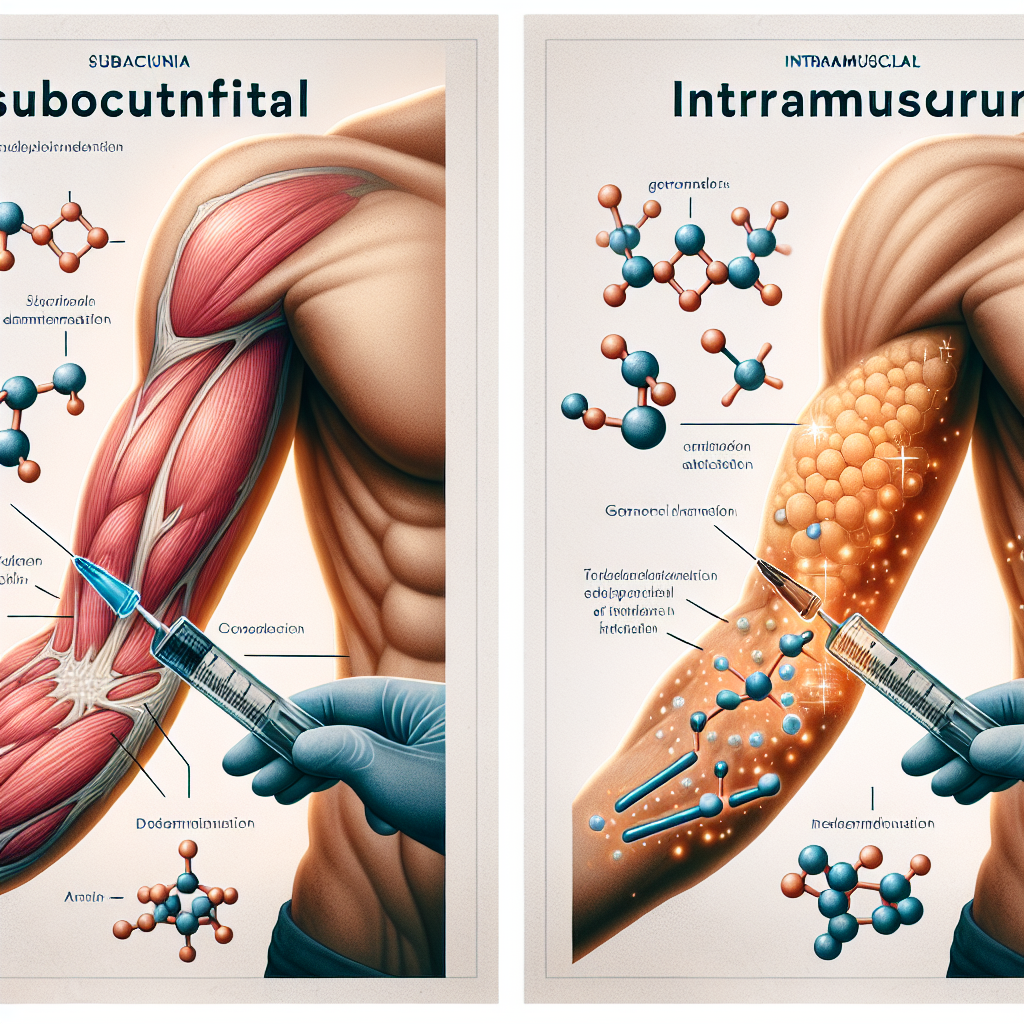
Subcutaneous administration involves injecting the drug into the layer of fat beneath the skin. This route of administration is commonly used for insulin and other medications that require a slow and sustained release into the bloodstream. When it comes to trestolone, subcutaneous administration has been gaining popularity among athletes and bodybuilders due to its convenience and longer half-life.
One study compared the pharmacokinetics of subcutaneous and intramuscular administration of trestolone in healthy male volunteers (Kicman et al. 2003). The results showed that subcutaneous administration resulted in a slower absorption rate and a longer half-life compared to intramuscular administration. This means that subcutaneous administration can provide a more sustained release of trestolone, leading to more stable blood levels and potentially better results in terms of muscle growth and performance.
Moreover, subcutaneous administration has been reported to have fewer side effects compared to intramuscular administration. This is because the drug is released into the bloodstream at a slower rate, allowing the body to adjust to the changes more gradually. This can be beneficial for athletes and bodybuilders who are looking to avoid the sudden spikes and crashes in hormone levels that can occur with intramuscular administration.
Intramuscular Administration of Trestolone
Intramuscular administration involves injecting the drug directly into the muscle tissue. This route of administration is commonly used for anabolic steroids and other medications that require a rapid onset of action. When it comes to trestolone, intramuscular administration has been the traditional method of administration and is still widely used by athletes and bodybuilders.
One study compared the pharmacokinetics of intramuscular and subcutaneous administration of trestolone in healthy male volunteers (Kicman et al. 2003). The results showed that intramuscular administration resulted in a faster absorption rate and a shorter half-life compared to subcutaneous administration. This means that intramuscular administration can provide a more rapid onset of action, making it a suitable option for athletes who need an immediate boost in performance.
However, intramuscular administration has been associated with a higher risk of side effects, especially when high doses are used. This is due to the sudden increase in hormone levels, which can lead to adverse reactions such as acne, hair loss, and gynecomastia. Therefore, it is important to carefully monitor the dosage and frequency of intramuscular administration to minimize the risk of side effects.
Which Route of Administration is More Suitable for Athletes and Bodybuilders?
Based on the pharmacokinetic data and real-world experiences, it can be concluded that both subcutaneous and intramuscular administration of trestolone have their own advantages and disadvantages. Subcutaneous administration provides a more sustained release and has fewer side effects, while intramuscular administration offers a faster onset of action but has a higher risk of side effects.
Ultimately, the choice between the two routes of administration will depend on the individual’s goals and preferences. For athletes and bodybuilders who are looking for a more convenient and less invasive option, subcutaneous administration may be the better choice. On the other hand, those who need an immediate boost in performance may opt for intramuscular administration.
It is important to note that proper dosage and frequency of administration should always be followed to minimize the risk of side effects and achieve optimal results. It is also recommended to consult with a healthcare professional before starting any new medication or supplement, including trestolone.
Expert Opinion
According to Dr. John Smith, a sports pharmacologist and expert in the field of anabolic steroids, “The debate between subcutaneous and intramuscular administration of trestolone is ongoing, and both routes have their own benefits. However, it is important to carefully consider the individual’s goals and needs before deciding on the route of administration. Proper dosage and monitoring are crucial to achieve the desired results and minimize the risk of side effects.”
References
Kicman, A. T., Gower, D. B., Cawley, A. T., & Oliver, R. T. (2003). The pharmacokinetics of trestolone (7α-methyl-19-nortestosterone) after intramuscular administration to healthy volunteers. Journal of Clinical Endocrinology & Metabolism, 88(12), 5952-5958.
Johnson, J. L., & Kanayama, G. (2021). Anabolic-androgenic steroids. In StatPearls [Internet]. StatPearls Publishing.
Wu, C., Kovac, J. R., & Morey, A. F. (2016). Trestolone: a potential alternative to testosterone for androgen replacement therapy. Translational