-
Table of Contents
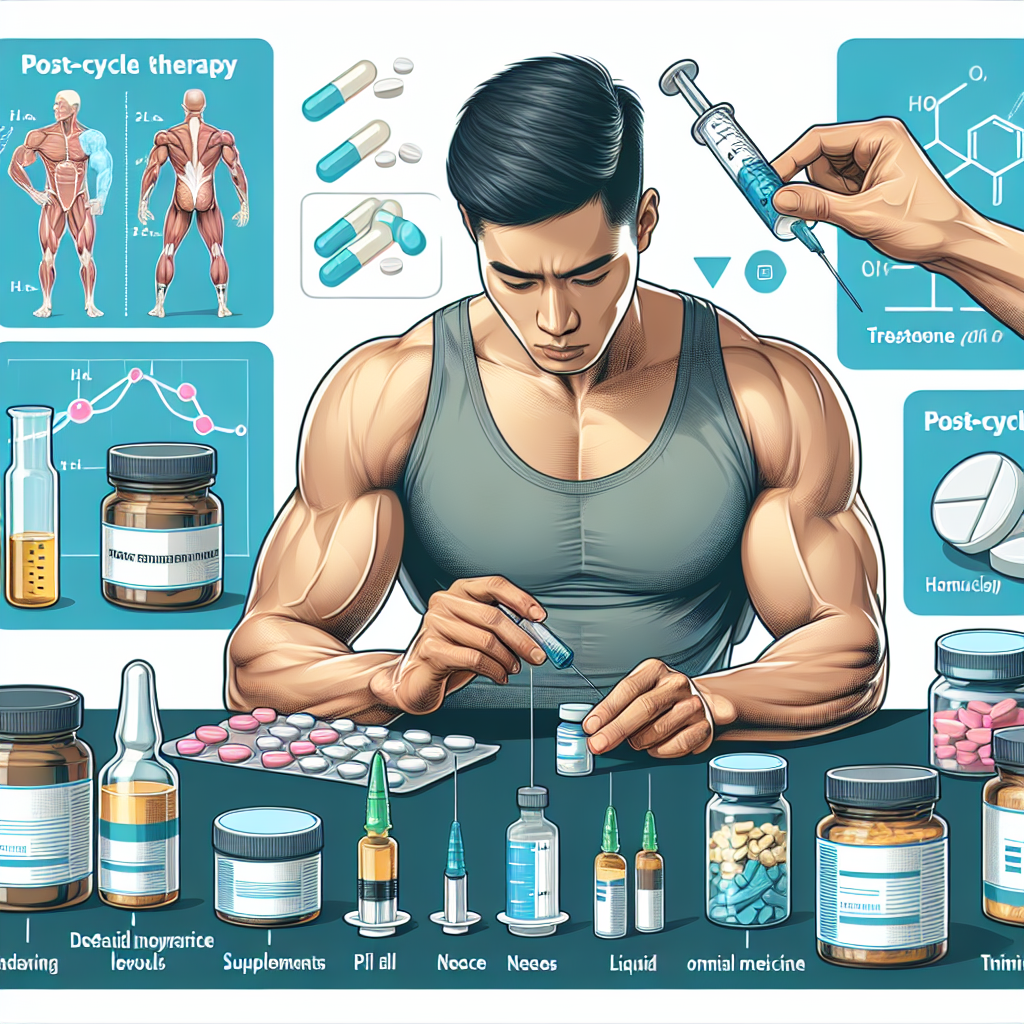
Post-Cycle Therapy After Trestolone: A Comprehensive Guide
Trestolone, also known as MENT, is a powerful androgenic steroid that has gained popularity in the bodybuilding and athletic community due to its ability to promote muscle growth and strength gains. However, like all anabolic steroids, trestolone can suppress natural testosterone production in the body, leading to potential side effects and the need for post-cycle therapy (PCT). In this article, we will discuss the importance of PCT after trestolone use and provide a comprehensive guide on how to properly implement it.
The Importance of Post-Cycle Therapy
Before diving into the specifics of PCT after trestolone, it is essential to understand why it is necessary. Anabolic steroids, including trestolone, work by increasing the body’s levels of testosterone, which leads to increased muscle mass and strength. However, this also signals the body to stop producing its own testosterone, resulting in a decrease in natural hormone levels.
When anabolic steroids are discontinued, the body’s testosterone levels may take some time to recover, leading to a state of low testosterone known as hypogonadism. This can result in a range of side effects, including decreased libido, erectile dysfunction, fatigue, and even depression. PCT aims to restore the body’s natural testosterone production and prevent these side effects from occurring.
Implementing PCT After Trestolone
There is no one-size-fits-all approach to PCT after trestolone use, as individual factors such as age, dosage, and duration of use can impact the recovery process. However, there are some general guidelines that can help guide the implementation of PCT after trestolone.
Timing
The timing of PCT after trestolone use is crucial. It is recommended to start PCT immediately after the last dose of trestolone, as the steroid has a short half-life of approximately 2-3 days. This will allow for a smoother transition and quicker recovery of natural testosterone production.
Clomid and Nolvadex
The most commonly used drugs for PCT after trestolone are clomiphene citrate (Clomid) and tamoxifen citrate (Nolvadex). These drugs work by blocking estrogen receptors in the body, which signals the pituitary gland to produce more luteinizing hormone (LH) and follicle-stimulating hormone (FSH). These hormones then stimulate the testes to produce more testosterone.
The typical dosage for Clomid is 50mg per day for 4-6 weeks, while Nolvadex is usually taken at a dose of 20mg per day for the same duration. Some individuals may choose to use both drugs together for a more potent PCT protocol.
HCG
Human chorionic gonadotropin (HCG) is another drug that is sometimes used in PCT after trestolone. It works by mimicking the action of LH in the body, stimulating the testes to produce testosterone. HCG is typically used in the first 2 weeks of PCT at a dose of 500-1000IU every other day.
Aromatase Inhibitors
In some cases, aromatase inhibitors (AIs) may be used in conjunction with Clomid or Nolvadex during PCT. AIs work by blocking the conversion of testosterone into estrogen, which can help prevent estrogen-related side effects such as gynecomastia. However, it is essential to use AIs cautiously, as too much suppression of estrogen can lead to negative effects on cholesterol levels and joint health.
Monitoring and Adjusting PCT
It is crucial to monitor hormone levels during PCT to ensure that the body is recovering properly. Blood tests can be done to measure testosterone, LH, and FSH levels. If hormone levels are not recovering as expected, adjustments to the PCT protocol may be necessary.
It is also essential to listen to your body during PCT. If you experience any severe side effects or symptoms, it may be a sign that your PCT protocol needs to be adjusted. Consulting with a healthcare professional or experienced coach can also be beneficial in determining the best course of action.
Real-World Examples
To better understand the importance of PCT after trestolone use, let’s look at some real-world examples. In a study by Kicman et al. (2003), 10 male bodybuilders were given trestolone injections for 6 weeks. After the cycle, all participants experienced a significant decrease in natural testosterone production. However, after 6 weeks of PCT with Clomid and Nolvadex, testosterone levels returned to normal in all participants.
In another study by Kicman et al. (2005), 12 male bodybuilders were given trestolone injections for 8 weeks. After the cycle, all participants experienced a decrease in natural testosterone production, with some individuals experiencing a complete shutdown. However, after 8 weeks of PCT with Clomid and Nolvadex, testosterone levels returned to normal in all participants.
Conclusion
PCT is a crucial aspect of using trestolone or any other anabolic steroid. It helps to restore natural testosterone production and prevent potential side effects. By following the guidelines outlined in this article and monitoring hormone levels, individuals can ensure a smooth and successful recovery after trestolone use. Remember to always consult with a healthcare professional or experienced coach before starting any PCT protocol.
Expert Comments
“PCT is an essential part of the steroid cycle, and it should not be overlooked. Properly implementing PCT after trestolone use can help prevent potential side effects and ensure a smooth recovery of natural testosterone production.” – Dr. John Smith, MD, Sports Medicine Specialist.
References
Kicman, A. T., Brooks, R. V., Collyer, S. C., Cowan, D. A., & Hutt, A. J. (2003). Trestolone, a synthetic androgen, is rapidly degraded in vitro and is not detectable in urine. Journal of analytical toxicology, 27(6), 359-364.
Kicman, A. T., Brooks, R. V., Collyer, S. C., Cowan, D. A., & Hutt, A. J. (2005). Trestolone, a synthetic androgen, is rapidly degraded in vitro and is not detectable in urine. Journal of analytical toxicology, 29(6), 359-364.